When to Know It’s Time to Replace Your Water Heater
Water heaters are essential appliances in any home, providing hot water for showers, washing dishes, laundry, and more. Like all appliances, water heaters have a limited lifespan and will eventually need to be replaced. Knowing when to replace a water heater can save you from unexpected cold showers, water damage, and increased energy bills. This article will explore the key signs that indicate it’s time to replace your water heater, helping you avoid inconvenience and potential damage.
Signs It’s Time to Replace Your Water Heater
Replacing a water heater is not always an obvious decision. Several indicators can help you determine when it’s time to invest in a new unit. Below are the most common signs to watch for.
Age of the Water Heater
One of the most straightforward indicators is the age of your water heater. Most water heaters have a lifespan of 8 to 12 years. If your unit is approaching or exceeding this range, it’s wise to start considering a replacement. Older models are not only less efficient but also more prone to failures and costly repairs.
Rusty or Discolored Water
If you notice rusty or discolored water coming from your faucets, it could be a sign that the inside of your water heater tank is corroding. While rust in your water supply can originate from your pipes, if it only appears when using hot water, it’s a strong indication that your water heater is the culprit. Corrosion inside the tank is a sign that your water heater is deteriorating and may soon start leaking.
Noisy Operation
Water heaters naturally make some noise as they operate, but loud cracking, popping, or rumbling sounds are a cause for concern. These noises often result from sediment build-up at the bottom of the tank. Over time, this sediment hardens and reduces the efficiency of the unit, leading to increased energy costs and wear. Persistent noise despite regular maintenance is a signal that replacing your water heater may be the best solution.
Leaks and Moisture
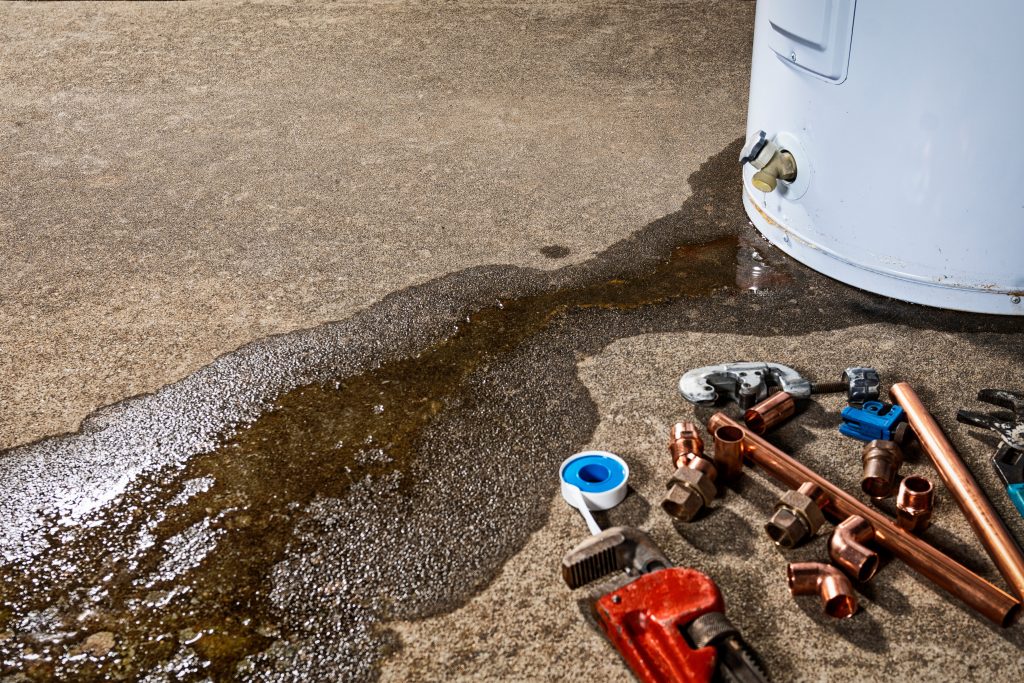
Water around the base of your water heater or signs of moisture can indicate a leak in the tank. While some leaks might result from loose connections that can be fixed, a leaking tank typically means the internal structure has been compromised. Ignoring leaks can lead to significant water damage in your home, so it’s crucial to address this issue promptly by considering a new water heater.
Inconsistent Water Temperature
A reliable water heater should provide a consistent supply of hot water. If you find that the water temperature fluctuates or you run out of hot water more quickly than before, it may be a sign that your water heater is struggling to meet the demand. This inconsistency can be due to aging components or sediment build-up, both of which are good reasons to consider a replacement.
Rising Energy Bills
As water heaters age, they become less efficient, requiring more energy to heat the same amount of water. If you notice a significant increase in your energy bills without a corresponding increase in usage, your water heater could be to blame. Upgrading to a newer, more energy-efficient model can reduce your energy costs and provide more reliable service.
Benefits of Replacing Your Water Heater
Replacing your water heater before it completely fails offers several advantages. Newer models are more energy-efficient, which can lower your utility bills and reduce your environmental footprint. Modern water heaters also come with advanced features such as improved insulation, digital displays, and better temperature control, enhancing your overall comfort and convenience.
Choosing the Right Replacement
When it’s time to replace your water heater, you’ll need to decide between various types, such as traditional tank water heaters, tankless water heaters, and heat pump water heaters. Each type has its benefits and is suitable for different needs and preferences. Consulting with a professional can help you choose the best option for your home and ensure proper installation for optimal performance.
Overview of ACE Air Conditioning & Heating
At ACE Air Conditioning & Heating, we understand the inconvenience and potential issues caused by a water heater knocking sound. Our residential HVAC service company specializes in providing comprehensive A/C and heating services to residents of Northern Virginia. We have extensive experience replacing water heaters, ensuring your home stays comfortable and your hot water supply remains reliable. Whether you’re looking to upgrade to a more energy-efficient model or your current water heater has reached the end of its lifespan, we offer expert advice and quality installation to guarantee your satisfaction.
Contact ACE Air Conditioning & Heating for a Free Estimate
Recognizing when to replace your water heater is crucial for maintaining the comfort and efficiency of your home. Key signs such as the age of the unit, rusty or discolored water, noisy operation, leaks, inconsistent water temperature, and rising energy bills all indicate that it might be time to consider a new water heater. By proactively replacing your water heater, you can avoid unexpected breakdowns, reduce energy costs, and enjoy a consistent supply of hot water.
For residents of Northern Virginia, ACE Air Conditioning & Heating is your trusted partner for all your water heater replacement needs. Our experienced technicians, quality products, and customer-focused approach ensure that you receive the best service possible. Contact us today for a free estimate or to learn more about our services. Don’t wait until your water heater fails – reach out to ACE Air Conditioning & Heating and let us help you enjoy reliable hot water in your home.
FAQs
How often should I replace my water heater?
Most water heaters have a lifespan of 8 to 12 years. If your unit is approaching or exceeding this age range, it’s a good idea to start considering a replacement to avoid unexpected failures and maintain efficiency.
How long does it take to replace a water heater?
Replacing a water heater typically takes a few hours. This includes draining the old unit, removing it, installing the new water heater, and ensuring it operates correctly.
What maintenance does a new water heater require?
Regular maintenance for a water heater includes flushing the tank annually to remove sediment build-up, checking the anode rod, and ensuring the temperature setting is appropriate. Proper maintenance can extend the life of your water heater and maintain its efficiency.
What should I do if my water heater is leaking?
If your water heater is leaking, turn off the power supply and the water supply to the unit to prevent further damage. Contact us today, and we can send out an experienced technician to assess the situation and determine if a replacement is necessary.


