- By marye
- In HVAC tips
- Tags HVAC installation, HVAC maintenance, HVAC repair
The Ultimate Spring HVAC Maintenance Checklist for Homeowners (2026 Guide)
Spring in Northern Virginia is the season of warmer days, higher humidity, and a sharp jump in pollen. It’s also the perfect time to make sure your cooling and heating system is in top shape for the warmer months after winter. Regular maintenance is essential to keep your system running smoothly, reduce the risk of costly repairs, and ensure your home stays comfortable as temperatures rise. Including HVAC maintenance as part of your spring cleaning routine helps prepare your system for summer and keeps it operating efficiently.
Below is a homeowner-friendly spring HVAC maintenance checklist designed specifically for Northern VA homes—organized for easy scanning, strong SEO readability, and real-world usefulness. Regular maintenance improves energy efficiency, helps save money on energy costs, and reduces the risk of costly repairs. In fact, regular HVAC maintenance can save homeowners money on energy bills.
Getting Your Home Ready for Spring in Northern VA
Northern VA’s spring weather swings can be unpredictable: cool mornings, warm afternoons, and sudden humidity spikes. Add heavy pollen and you have a recipe for clogged filters, reduced airflow, and indoor air quality issues.
Following a seasonal spring HVAC maintenance checklist can help you:
- Improve system efficiency and lower energy bills
- Reduce strain on key components before peak cooling season
- Catch small issues early (before they turn into expensive repairs)
- Keep airflow cleaner during peak pollen weeks
- Support healthier indoor air quality as spring allergens rise
- Prevent drafts and improve comfort by sealing leaks around windows and doors, and by maintaining your heating system for optimal year-round performance
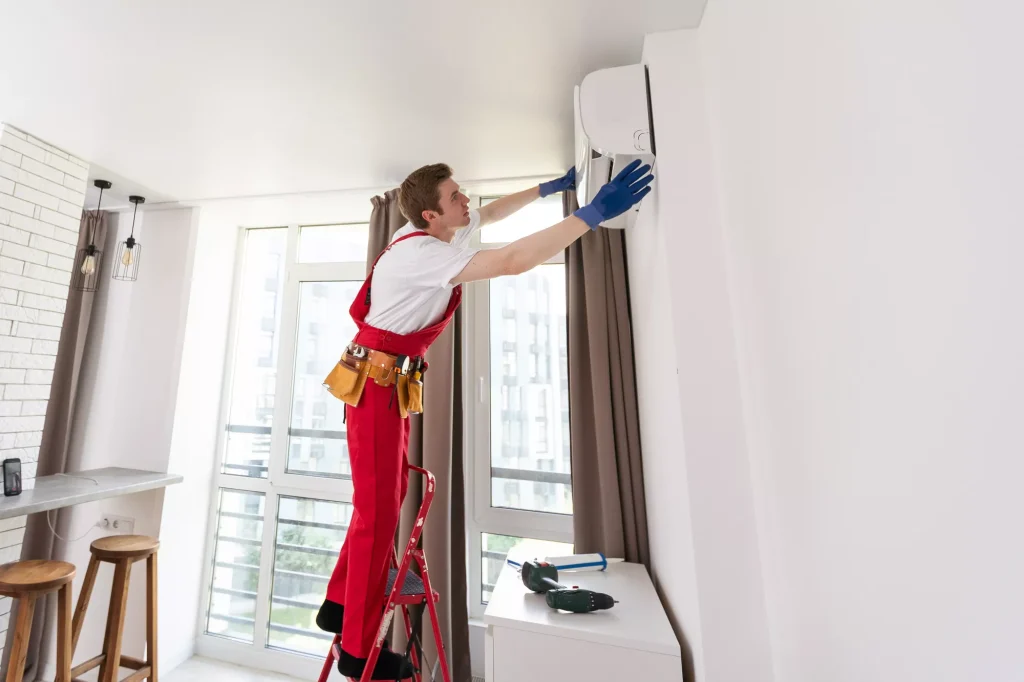
DIY Spring HVAC Maintenance Checklist: Indoor System Essentials
These steps are safe, practical, and make a noticeable difference—especially in Northern VA’s pollen-heavy spring. Spring maintenance helps prepare your air conditioner for summer use, ensuring it runs efficiently and reliably when you need it most.
1. Replace or Upgrade Your Air Filter
A fresh filter is one of the highest-impact items on any spring HVAC checklist.
Replace standard 1″ filters every 30–90 days (more often if you have pets or allergies).
Consider upgrading to a higher-quality filter for pollen season (balance filtration with airflow needs).
Make sure the filter is installed in the correct direction (look for airflow arrows).
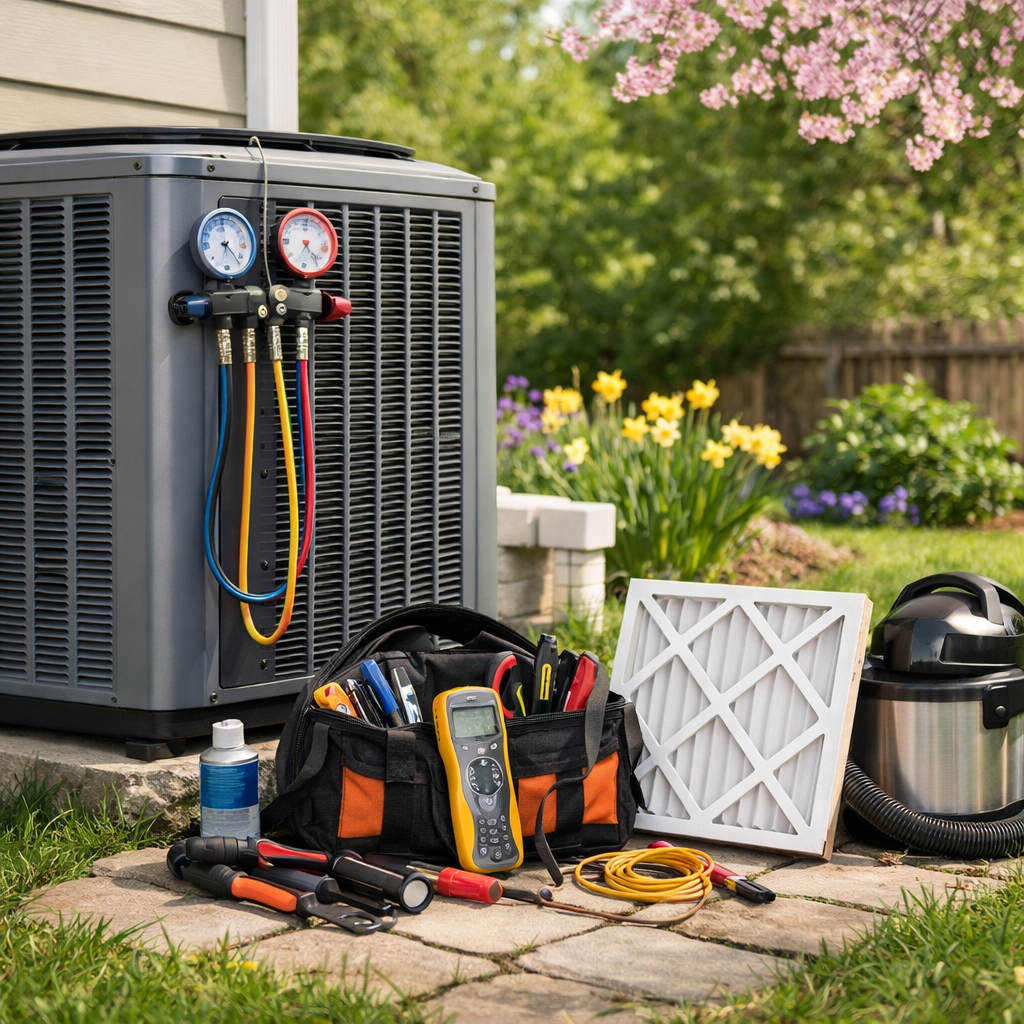
2. Clear Debris Around the Outdoor Unit (Condenser)
Your outdoor AC unit needs breathing room.
Remove leaves, sticks, mulch buildup, dirt, and other debris from around the unit.
Trim back shrubs and plants to keep at least 2 feet of clearance on all sides.
Keeping the outdoor unit clear of dirt and other debris helps it operate efficiently. You should check the outdoor unit regularly to ensure it is clear of debris for proper airflow.
Restricted airflow can force the system to run longer and work harder—raising costs and wear.
3. Check and Clean Supply & Return Vents
Walk through the home and inspect vents:
Make sure vents aren’t blocked by furniture, rugs, or curtains.
Vacuum dust, pet hair, and debris from registers and return grilles. For a deeper clean, remove the vents and wash them with warm, soapy water to eliminate dust, pet hair, and buildup.
Pet hair can accumulate in vents and should be removed during cleaning to prevent clogs and maintain system efficiency.
Clean your air vents twice a year to ensure better indoor air quality and airflow.
Cleaning air vents improves indoor air quality and enhances airflow, leading to better comfort and energy savings.
If you notice excessive dust quickly returning, that can be a sign your system needs deeper cleaning or an airflow evaluation.
4. Test the Thermostat and Switch to Cooling Mode
Early testing helps you catch issues before the first 85° day arrives.
Set the thermostat to “Cool” and lower the temperature a few degrees.
Listen for unusual noises and confirm steady airflow.
Consider a smart thermostat if you want improved efficiency and scheduling control.
Upgrading to a programmable thermostat can provide better energy savings and home comfort by allowing you to set temperature schedules and manage your HVAC system more efficiently than with a manual thermostat. Testing thermostat functionality ensures it regulates the system correctly.
If the system runs but doesn’t cool, that’s a sign to schedule service before demand spikes.
5. Inspect Condensate Drain Line for Clogs
Spring humidity means more condensation—and clogged drain lines can cause water damage. When your air conditioner produces cold air, it leads to condensation that drains through the condensate line.
Check the drain line and nearby drain pan for standing water, and look for any signs of mold growth in and around the drain line and pan.
If safe and accessible, flush the line with vinegar (or a professional-recommended solution). Cleaning the condensate drain line prevents water damage and system malfunction.
Watch for musty smells, which can indicate moisture buildup or mold.
You should periodically clear the condensate drain line to prevent clogs that can lead to water damage. Inspecting and cleaning the condensate drain line is important to prevent water damage and system malfunction.
6. Look for Early Warning Signs of HVAC Trouble
Add this quick scan to your spring HVAC maintenance checklist:
Uneven temperatures from room to room
Weak airflow from vents
Short cycling (system turns on and off rapidly)
Rising energy bills without changes in usage
Unusual sounds (buzzing, rattling, grinding)
Extra humidity indoors
If you spot any of these, it’s usually cheaper to fix early than to wait until a breakdown. Addressing these signs early reduces the risk of breakdowns and costly repairs, and ensures your system is working properly.
Professional Spring HVAC Checklist: What a Technician Should Evaluate
DIY steps are helpful, but a professional tune-up is the backbone of a complete spring HVAC maintenance checklist—especially to ensure performance, safety, and long-term reliability. A professional service covers the entire HVAC unit, including the furnace and heating system, ensuring all components are inspected, cleaned, and tuned for optimal efficiency.
A thorough spring HVAC maintenance visit typically includes:
System Performance & Electrical Checks
Measure voltage and amperage for safe operation
Inspect electrical connections and components
Test capacitors and contactors
Verify proper system start-up and run cycle
Cooling System & Airflow Evaluation
Inspect evaporator and condenser coils
Check refrigerant performance indicators
Confirm airflow and temperature split
Inspect blower components and motor function
Drainage, Moisture, and Humidity Control
Clear and test condensate drain line
Check drain pan condition and overflow safety
Identify causes of excess indoor humidity
Full System Condition Review
Inspect ductwork for visible leaks (where accessible)
Review thermostat calibration and settings
Provide recommendations for repairs or efficiency upgrades
This professional portion of the spring HVAC maintenance checklist helps ensure your system is truly ready for Northern VA’s cooling season.
ACE Air Conditioning & Heating: Trusted HVAC Service Across Northern VA
At ACE Air Conditioning & Heating, we help homeowners throughout Northern Virginia stay comfortable year-round with dependable residential HVAC repair, maintenance, and installation services. Whether you need a seasonal tune-up, a fast fix for inconsistent cooling, or an upgrade to a more efficient system, our team focuses on clear communication, quality workmanship, and practical solutions that fit your home.
We also offer emergency HVAC services when heating or cooling problems can’t wait—because comfort and safety don’t follow a schedule. And during high-pollen spring conditions, we can recommend humidifier services and indoor air quality solutions designed to improve comfort and reduce the effects of airborne allergens in your home.
Schedule Your Spring HVAC Maintenance Today
A complete spring HVAC maintenance checklist is the simplest way to protect your HVAC system, improve comfort, and avoid last-minute cooling emergencies. If you want professional support—or you’ve noticed airflow issues, allergy flare-ups, or inconsistent temperatures—help is close by.
Need help with your spring HVAC checklist? Contact ACE Air Conditioning & Heating today to schedule service or request a free estimate.
FAQs
Start your spring HVAC checklist in early spring—ideally before you need AC daily. In Northern VA, that usually means completing your checklist before the first stretch of consistently warm, humid weather so you can address issues proactively.
Homeowners can handle basic tasks like replacing filters, clearing debris around the outdoor unit, and keeping vents unobstructed. A professional tune-up is still recommended because it includes electrical testing, performance checks, and system measurements that help prevent breakdowns and improve efficiency.
A professional tune-up typically includes inspecting coils, checking electrical components, verifying airflow, testing system performance, and clearing the condensate drain line. These steps help ensure your HVAC system is ready for heavy cooling use and can catch problems early.
Most homeowners should schedule maintenance twice a year—once in spring for cooling and once in fall for heating. Regular service supports efficiency, extends system lifespan, and reduces the chance of emergency repairs.


