- By marye
- In HVAC tips
- Tags HVAC installation, HVAC maintenance, HVAC repair
HVAC Energy Saving Tips for Summer Seasons in Northern VA
Summers in Northern Virginia can bring persistent heat, high humidity, and increased demand on air conditioning systems. As cooling equipment runs longer to maintain a comfortable indoor temperature, homeowners may notice higher utility bills and added strain on their HVAC units. Following practical HVAC energy saving tips can help reduce unnecessary energy use while keeping your home cool and comfortable throughout the season.
The following HVAC energy saving tips can help Northern VA homeowners improve cooling efficiency, manage monthly energy costs, and protect their equipment during the hottest months of the year. Many of these strategies are simple enough to handle at home, while others may require professional inspection, maintenance, or system upgrades.
1. Use Efficient Thermostat Settings
One of the most effective energy saving tips for summer is to avoid setting the thermostat significantly lower than necessary. A lower setting does not cool the home faster. It simply causes the air conditioner to operate longer, which can increase energy use and place additional strain on the system.
Set the thermostat at the highest temperature that still feels comfortable. When no one is home, raising the temperature by several degrees can reduce unnecessary cooling.
Avoid making frequent, dramatic thermostat changes. Maintaining a relatively consistent setting helps the system operate more efficiently than repeatedly cooling a hot house from a very high temperature.
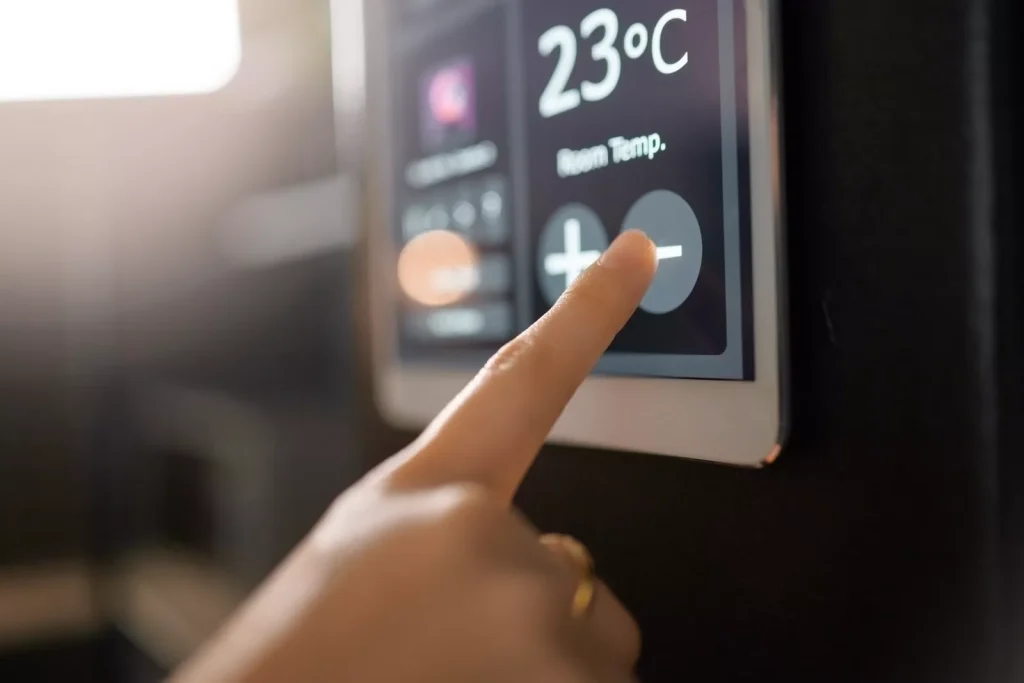
2. Install and Program a Smart Thermostat
A programmable or smart thermostat can automatically adjust indoor temperatures based on household routines. This provides greater control over cooling schedules without requiring homeowners to remember every adjustment.
Smart thermostats may offer features such as:
- Customized weekday and weekend schedules
- Remote temperature control through a mobile device
- Energy-use reports
- Humidity monitoring
- Maintenance reminders
- Automatic temperature adjustments based on occupancy
Some models can also learn household habits and recommend settings that balance comfort with efficiency. Proper installation and configuration are important, particularly for heat pumps or multi-stage HVAC equipment.
3. Replace the Air Filter Regularly
A clogged air filter restricts airflow through the HVAC system. When airflow is limited, the blower motor and air conditioner must work harder to circulate cooled air throughout the home.
During summer, inspect the filter approximately once a month. The appropriate replacement schedule will depend on the filter type and household conditions.
More frequent filter changes may be necessary in homes with:
- Pets
- Smokers
- Recent remodeling or construction dust
- Family members with allergies
- High HVAC usage
- Excessive indoor dust
Choose a filter that is compatible with the system. A filter with a very high efficiency rating may restrict airflow if the equipment was not designed to accommodate it.
4. Schedule Preventive HVAC Maintenance
Professional maintenance is one of the most important HVAC energy saving tips for homeowners. A cooling system may continue operating even when dirt, worn components, or incorrect settings are reducing its efficiency.
During a maintenance visit, an HVAC technician may inspect and service components such as:
- The air filter
- Evaporator and condenser coils
- Blower motor and fan
- Refrigerant lines
- Electrical connections
- Condensate drain
- Thermostat
- Safety controls
- Duct connections
- System temperatures and airflow
Routine inspections can identify developing problems before they lead to a loss of cooling or a more expensive repair. Maintenance also helps the equipment operate closer to its intended efficiency.
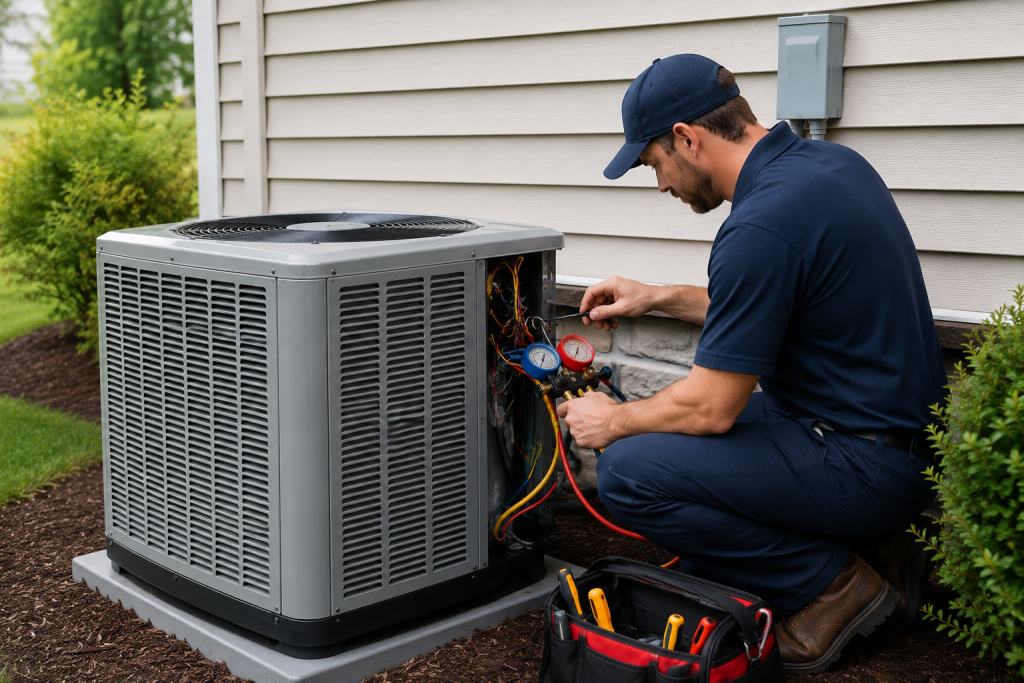
5. Keep the Outdoor AC Unit Clear
The outdoor condenser releases heat collected from inside the home. Grass, leaves, weeds, dirt, and landscaping can interfere with airflow around the unit and reduce heat transfer.
Keep the area surrounding the condenser clear. Avoid stacking garden tools, outdoor furniture, or other objects near the equipment.
Homeowners can gently remove loose debris from around the unit, but internal cleaning should be handled carefully. Bent coil fins, electrical components, and refrigerant connections can be damaged without the proper tools or training.
6. Use Ceiling Fans to Improve Comfort
Ceiling fans do not lower the actual indoor temperature, but the moving air can make occupants feel cooler. This may allow homeowners to raise the thermostat slightly while remaining comfortable.
During summer, confirm that the fan blades rotate in the appropriate direction to push air downward. Turn fans off when leaving the room because fans cool people rather than empty spaces.
Ceiling fans work best as a supplement to air conditioning. They should not be expected to resolve inadequate airflow, high humidity, or mechanical problems with the HVAC system.
7. Close Blinds and Curtains During Peak Sunlight
Direct sunlight can quickly increase indoor temperatures, especially through west- and south-facing windows. Closing blinds, shades, or curtains during the hottest parts of the day reduces the amount of heat entering the home.
Consider using:
- Blackout curtains
- Insulated window shades
- Reflective blinds
- Solar screens
- Window films designed for heat control
Opening window coverings later in the evening can allow natural light into the home without adding as much heat. This simple adjustment is one of the most affordable home energy saving tips for summer.
8. Seal Air Leaks Around the Home
Cool indoor air can escape through gaps around windows, doors, attic access points, and utility penetrations. At the same time, hot and humid outdoor air can enter the home.
Check for leaks around:
- Window frames
- Exterior doors
- Attic hatches
- Plumbing penetrations
- Electrical outlets on exterior walls
- Recessed lighting
- Fireplace dampers
- Dryer vents
Weatherstripping and caulk can address many minor leaks. Larger air-sealing projects may require a professional energy assessment or insulation contractor.
Reducing air leakage helps the HVAC system maintain a stable temperature and control indoor humidity more effectively.
9. Inspect and Seal the Ductwork
Leaking ductwork can waste cooled air before it reaches the rooms where it is needed. Duct leaks are particularly problematic when ducts pass through hot attics, crawl spaces, garages, or other unconditioned areas.
Possible signs of ductwork problems include:
- Certain rooms remain warmer than others
- Airflow is weak from one or more vents
- Utility costs have increased unexpectedly
- The system runs for long periods
- Excessive dust collects around the home
- Whistling or rattling sounds come from the ducts
Professional duct sealing and insulation may improve comfort while reducing cooling losses. Duct inspections can also identify disconnected sections, crushed flexible ducts, or design issues affecting airflow.
10. Keep Supply and Return Vents Open
Furniture, rugs, curtains, and storage boxes can block supply or return vents. Restricted airflow makes it harder for the HVAC system to circulate air evenly throughout the home.
Walk through each room and confirm that vents are open and unobstructed. Vacuum visible dust from vent covers as needed.
Closing vents in unused rooms is generally not an effective energy-saving strategy for a central HVAC system. It can change air pressure within the ductwork and potentially contribute to airflow problems.
11. Reduce Heat-Producing Activities During the Day
Ovens, stovetops, clothes dryers, and some electronics release heat into the home. Using these appliances during the hottest part of the afternoon can make the air conditioner work harder.
Consider making a few scheduling adjustments:
- Cook outdoors or prepare no-cook meals on especially hot days
- Run the dishwasher in the evening
- Use the clothes dryer during cooler hours
- Turn off lights and electronics when not in use
- Use bathroom and kitchen exhaust fans only as long as necessary
Exhaust fans remove heat and moisture, but they can also pull conditioned air out of the home. Turn them off after they have completed their purpose.
12. Improve Attic Insulation and Ventilation
Heat can build up rapidly in an attic during summer. Without adequate insulation and air sealing, that heat can transfer into the living areas below.
Proper attic insulation helps slow heat transfer and reduces the amount of cooling required to maintain indoor comfort. Attic ventilation may also help manage heat and moisture when it is correctly designed.
Common signs that the attic may be affecting home efficiency include:
- Upstairs rooms are consistently warmer
- The AC runs frequently on sunny days
- Indoor temperatures rise quickly in the afternoon
- Energy bills are unusually high
- Insulation appears thin, uneven, or compressed
An energy audit or professional attic evaluation can help determine whether insulation or ventilation improvements are appropriate.
13. Control Indoor Humidity
High humidity can make a home feel warmer than the thermostat indicates. It may also encourage homeowners to lower the temperature unnecessarily in an attempt to feel comfortable.
A properly operating air conditioner should remove some moisture from the air. However, excessive humidity may indicate:
- The system is oversized
- The AC is cycling on and off too quickly
- The evaporator coil is dirty
- Airflow is inadequate
- Outdoor air is entering through leaks
- The condensate drainage system has a problem
Whole-home humidity solutions may help when moisture levels remain difficult to control. Proper humidity management can improve comfort, support indoor air quality, and reduce the urge to overcool the home.
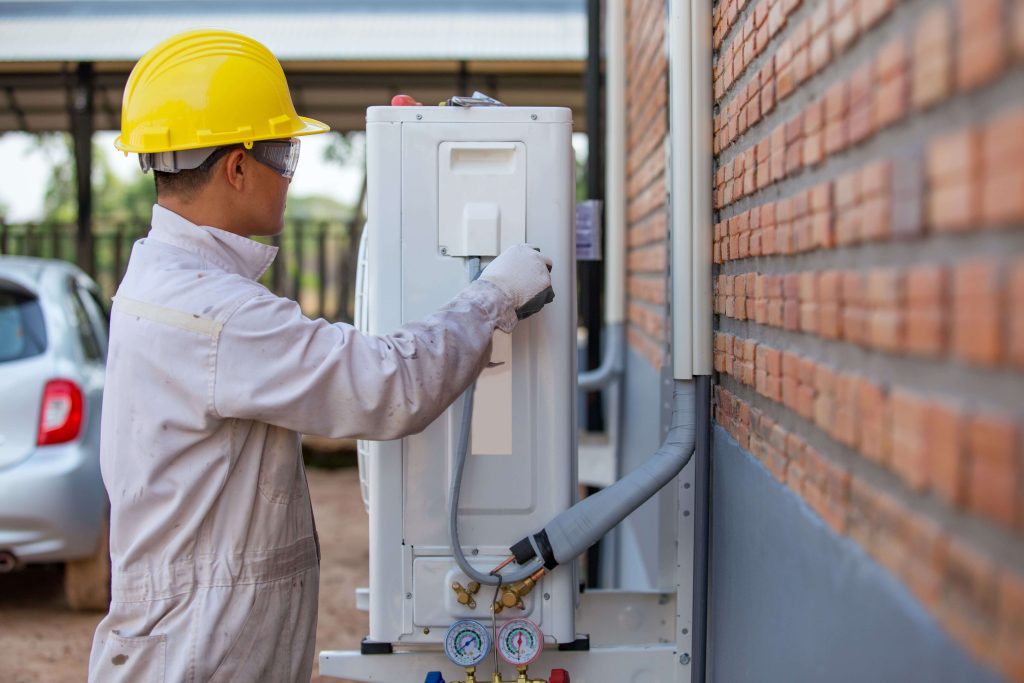
14. Check Windows and Exterior Doors
Older or poorly sealed windows and doors can contribute to heat gain and cooling loss. Check whether exterior doors close securely and inspect window frames for deteriorated caulk or visible gaps.
Homeowners may improve efficiency by:
- Replacing damaged weatherstripping
- Sealing gaps with appropriate caulk
- Adding storm doors
- Repairing broken window locks
- Installing energy-efficient window coverings
- Replacing severely damaged or inefficient windows
Window replacement can be a significant project, so begin with lower-cost improvements such as sealing and shading before considering a full upgrade.
15. Avoid Placing Heat Sources Near the Thermostat
Thermostats respond to the temperature in their immediate surroundings. Lamps, televisions, appliances, direct sunlight, or other heat sources can cause inaccurate readings.
If the thermostat senses extra heat, it may continue running the air conditioner after the rest of the home is already comfortable. Make sure the thermostat is not affected by direct sunlight, supply vents, exterior doors, or heat-producing electronics.
A professional can recommend relocating the thermostat when its current position prevents accurate temperature control.
16. Do Not Ignore Unusual AC Performance
A sudden change in cooling performance often means the system is using more energy to deliver less comfort. Addressing warning signs early may prevent a minor issue from becoming a major breakdown.
Contact an HVAC professional when you notice:
- Warm air coming from the vents
- Weak or inconsistent airflow
- Frequent cycling
- Unusual grinding, buzzing, or rattling sounds
- Water near the indoor unit
- Ice on refrigerant lines or coils
- Unexplained increases in energy costs
- Hot and cold spots throughout the home
- Persistent indoor humidity
- Unpleasant odors from the vents
Continuing to operate a struggling air conditioner can increase energy consumption and may cause additional component damage.
17. Consider Whether an HVAC Upgrade Is Appropriate
Older equipment may consume more energy than a properly sized modern system, particularly if it requires frequent repairs or can no longer maintain comfortable temperatures.
Replacement may be worth discussing when:
- The system is approaching or exceeding its expected service life
- Repairs are becoming frequent
- Energy bills continue to rise
- The home has persistent comfort problems
- Replacement parts are difficult to obtain
- The equipment uses an outdated refrigerant
- The system cannot adequately control humidity
A professional load calculation is important before installing new equipment. Choosing a system based only on the size of the old unit can lead to poor comfort, short cycling, or unnecessary energy use.
18. Consider a High-Efficiency Heat Pump or AC System
When replacement becomes necessary, homeowners can compare air conditioners, heat pumps, and other high-efficiency options. The right system depends on the home’s layout, insulation, ductwork, electrical capacity, and comfort requirements.
Efficiency ratings are helpful, but they are only part of the decision. Correct sizing, quality installation, duct performance, and ongoing maintenance all influence how efficiently the system operates in real-world conditions.
Ask an HVAC professional to explain available equipment choices, installation requirements, operating costs, and potential comfort improvements.
19. Use a Yearly HVAC Service Agreement
A yearly service agreement can make routine maintenance easier to manage. Scheduled inspections help homeowners stay ahead of filter issues, worn components, airflow restrictions, and other conditions that may increase energy use.
Service plans may also provide benefits such as priority scheduling or faster access to service when demand is high. This can be especially valuable during the hottest summer days, when cooling companies often receive a high volume of repair calls.
Residential HVAC Services From ACE Air Conditioning & Heating
ACE Air Conditioning & Heating is a family-owned and operated company that has served Northern Virginia homeowners since 1980. We provide residential heating and cooling services for all brands of equipment, including HVAC repair, preventive maintenance, and complete system installation. Our team installs furnaces, air conditioners, heat pumps, air handlers, humidifiers, UV lights, and air cleaners to help homeowners improve comfort, efficiency, and indoor air quality.
We also provide emergency HVAC repair when unexpected heating or cooling problems arise. Homeowners who want ongoing support can enroll in one of our yearly service agreements, and Priority Service Plan holders receive service within 24 hours. In addition to cooling and heating services, we install and service whole-home humidifiers that can help maintain balanced indoor moisture levels during Northern Virginia’s dry winter months.
Save Energy and Stay Comfortable With Professional HVAC Service
Following these HVAC energy saving tips can help reduce unnecessary cooling costs, improve indoor comfort, and limit strain on your air conditioning equipment. Consistent thermostat settings, clean filters, sealed ductwork, reduced heat gain, and professional maintenance are among the most effective energy saving tips for summer. When an HVAC system is damaged, outdated, or improperly maintained, however, household changes alone may not be enough to restore efficient performance.
Northern VA residents who are experiencing AC problems or need help reducing their HVAC energy usage can turn to ACE Air Conditioning & Heating. Contact us today to schedule residential HVAC service, request an equipment estimate, or learn more about maintenance and efficiency improvements for your home.
FAQs
Regularly replace the air filter, use efficient thermostat settings, close blinds during peak sunlight, and keep vents unobstructed. Professional maintenance can also improve airflow and identify problems that are causing the system to consume more energy.
Blinds, shades, and curtains can block direct sunlight and reduce the amount of heat entering the home. Closing window coverings during the hottest parts of the day is one of the simplest home energy saving tips for summer.
Common signs include unusually high utility bills, long cooling cycles, weak airflow, frequent cycling, uneven temperatures, and persistent humidity. Strange noises, warm air from the vents, or ice on the system may also indicate a problem that requires professional service.
Adequate attic insulation slows the transfer of heat from the attic into the living areas below. This can help maintain more consistent indoor temperatures and reduce the amount of time the air conditioner must operate.


