- By marye
- In HVAC tips
- Tags HVAC installation, HVAC maintenance, HVAC repair
What Are the Common Signs It’s Time to Replace Your HVAC System?
Your home’s heating and cooling equipment plays an essential role in maintaining comfortable, healthy indoor conditions throughout the year. Although professional maintenance and timely repairs can extend the life of your equipment, every system eventually reaches a point when continued repairs are no longer practical or cost-effective. Recognizing the warning signs before you replace HVAC system equipment can help you avoid sudden breakdowns, rising energy costs, and inconsistent indoor temperatures.
Knowing when to replace HVAC system units is not always as simple as waiting for the equipment to stop working completely. Age, repair frequency, energy efficiency, comfort problems, and equipment performance should all be considered when deciding whether replacement is the right investment.
How Long Does a Residential HVAC System Typically Last?
The expected service life of an HVAC system depends on the type of equipment, how frequently it is used, the quality of the original installation, and how consistently it has been maintained. In many homes, central air conditioners, heat pumps, and furnaces can continue operating for approximately 10 to 20 years.
However, reaching a certain age does not automatically mean the system must be replaced. A well-maintained unit may remain reliable beyond its average lifespan, while neglected equipment may develop major problems much sooner. Homeowners should consider the system’s age alongside its performance, repair history, and operating costs.
1. Your HVAC System Is More Than 10 to 15 Years Old
Age is one of the most important factors to consider when determining when to replace HVAC system equipment. Even if an older unit is still running, its components may be worn, its efficiency may have declined, and replacement parts may be harder or more expensive to obtain.
Older HVAC systems can also lack the energy-saving technology found in newer equipment. Replacing an aging unit before a complete failure may provide more time to compare models, evaluate efficiency ratings, and choose an appropriately sized system without the pressure of an emergency.
Signs that age may be affecting performance include:
- Longer heating or cooling cycles
- Increasing utility bills
- More frequent service calls
- Reduced airflow or temperature control
- Unusual sounds during operation
- Difficulty finding compatible replacement parts
2. Your Energy Bills Continue to Increase
Heating and cooling account for a significant portion of household energy use. While utility rates and seasonal weather can cause normal fluctuations, unexplained increases may indicate that your HVAC system is using more energy to provide the same level of comfort.
As internal components wear down, the system may run longer and work harder to reach the thermostat setting. Dirty coils, weak motors, refrigerant issues, leaking ductwork, and reduced compressor performance can all contribute to higher energy consumption.
A repair or professional tune-up may resolve some efficiency problems. However, if your older system remains expensive to operate after maintenance, it may be time to replace HVAC system equipment with a more efficient model.
3. You Are Scheduling Frequent HVAC Repairs
An occasional repair does not necessarily mean the entire system needs to be replaced. Frequent or increasingly expensive repairs, however, may indicate that several major components are beginning to fail.
Homeowners should look at the total amount spent on repairs over the last few years rather than evaluating each service call separately. Replacing one worn component may provide temporary relief, but another part could fail shortly afterward when the entire system is nearing the end of its useful life.
Replacement may be worth considering when:
- The system needs repairs multiple times per year
- Repair costs continue to increase
- The same problem keeps returning
- Major components such as the compressor or heat exchanger have failed
- Replacement parts are difficult to locate
- Repair costs represent a substantial portion of the price of new equipment
A qualified HVAC professional can assess the system’s overall condition and help you compare the likely cost of future repairs against the benefits of replacement.
4. Some Rooms Are Too Hot or Too Cold
Uneven temperatures are a common sign that an HVAC system is no longer distributing conditioned air effectively. One room may feel warm and humid while another becomes overly cold, even though the thermostat appears to be working properly.
Temperature imbalances can sometimes result from blocked vents, poor insulation, leaking ducts, incorrect thermostat placement, or an improperly balanced duct system. These issues should be investigated before replacing the equipment.
However, an aging or incorrectly sized unit may no longer have the capacity to maintain consistent temperatures throughout the home. If professional repairs and airflow adjustments do not improve comfort, replacement may provide more reliable heating and cooling.
5. The HVAC System Runs Almost Constantly
HVAC equipment normally cycles on and off as it maintains the selected indoor temperature. A system that runs almost continuously may be struggling to meet your home’s heating or cooling demands.
Several problems can cause unusually long cycles, including:
- A clogged air filter
- Dirty evaporator or condenser coils
- Low refrigerant
- Leaking ductwork
- Poor insulation
- An incorrectly sized system
- A worn compressor or blower motor
- Extremely hot or cold outdoor temperatures
Some of these issues can be corrected through maintenance or repair. If the system is old and consistently operates for extended periods despite professional service, replacement may be the more dependable long-term solution.
6. Your Home Never Feels Comfortable
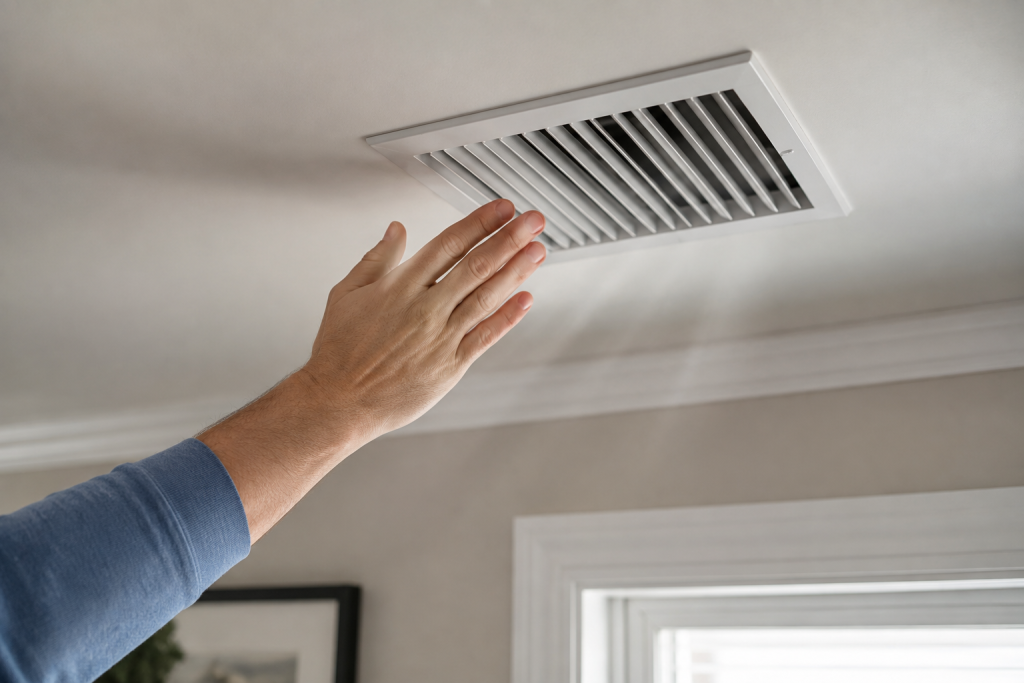
An HVAC system can technically remain operational while failing to provide the comfort your household needs. Persistent temperature swings, weak airflow, excess humidity, overly dry air, and stale indoor conditions may all suggest declining performance.
Comfort problems are especially concerning when they affect multiple rooms or continue after filters have been replaced and routine maintenance has been completed. The system may no longer have sufficient capacity, or its controls and internal components may not be operating effectively.
Installing properly sized replacement equipment can improve temperature stability, airflow, humidity control, and overall indoor comfort.
7. The System Produces Unusual or Excessive Noise
HVAC systems make some noise as they start, stop, and move air through the home. New grinding, rattling, banging, squealing, buzzing, or clanking sounds should not be ignored.
Unusual noises may point to loose parts, failing bearings, damaged fan blades, worn belts, electrical problems, or motor issues. A technician may be able to repair the source of the sound when it is addressed early.
If an older system has several worn mechanical components or remains excessively loud after repairs, replacement may be more practical than continuing to correct one problem at a time.
8. You Notice Unusual Odors From the Vents
Temporary odors can occur when heating equipment is first turned on after sitting unused. Persistent burning, musty, chemical, or electrical odors may indicate a more serious problem.
Musty smells can be associated with moisture buildup, dirty coils, mold growth, or contaminated ductwork. Burning or electrical odors may indicate overheating wires, motors, or other components that require immediate attention.
Odors alone do not always mean you need to replace HVAC system equipment. However, recurring smells combined with age, poor performance, or ongoing repair needs may support the case for replacement.
9. Your Indoor Air Quality Has Declined
Your HVAC system does more than heat and cool the home. It also circulates and filters indoor air, making it an important part of your overall indoor air quality.
An aging or poorly performing system may contribute to excessive dust, inconsistent humidity, lingering odors, or inadequate air filtration. Damaged ductwork and dirty internal components may circulate pollutants throughout the home.
Possible signs of declining indoor air quality include:
- Dust returning quickly after cleaning
- Excessively dry air during winter
- High humidity during summer
- Musty or stale odors
- Visible dust around vents
- Increased condensation
- Difficulty maintaining balanced humidity
A new HVAC system can be paired with indoor air quality products such as humidifiers, UV lights, and air cleaners to provide more complete comfort and air-quality control.
10. Your Air Conditioner Uses an Older Refrigerant
Some older air conditioners use refrigerants that have been phased out or are becoming increasingly difficult and expensive to obtain. When these systems develop a refrigerant leak, repairs may be more complicated and less economical than they would be for newer equipment.
A refrigerant leak should always be diagnosed by a trained technician. Simply adding more refrigerant without locating and addressing the leak does not provide a permanent solution.
If the air conditioner is already near the end of its expected lifespan, uses outdated refrigerant, and requires a costly repair, replacing the unit may be a better long-term investment.
11. The HVAC System Requires a Major Component Repair
Major failures can significantly change the financial calculation between repairing and replacing equipment. Components such as compressors, heat exchangers, blower motors, and control boards can be expensive to repair or replace.
The right decision depends on several factors:
- The age of the equipment
- The cost of the repair
- The system’s maintenance history
- The availability of replacement parts
- The number of previous repairs
- The system’s current efficiency
- The remaining warranty coverage
A major repair may make sense for a newer, well-maintained system. For older equipment with multiple performance problems, putting that money toward replacement may deliver greater value.
12. The Furnace or Heat Exchanger Has a Serious Safety Problem
Certain heating system problems involve more than comfort or efficiency. A damaged or cracked heat exchanger can potentially allow combustion gases to enter the home and should be treated as a serious safety concern.
Warning signs of combustion or furnace problems may include:
- A yellow or unstable burner flame
- Soot near the furnace
- Frequent carbon monoxide alarm activation
- Unusual furnace odors
- Visible corrosion or cracks
- Headaches or nausea that improve after leaving the home
Leave the home and seek immediate assistance if a carbon monoxide alarm sounds or you suspect a gas-related emergency. Depending on the furnace’s age and condition, a serious heat exchanger problem may make replacement safer and more cost-effective than repair.
13. Your System Struggles During Extreme Weather
Northern Virginia homes experience hot, humid summers and cold winter conditions. HVAC equipment must be able to maintain indoor comfort across a wide range of outdoor temperatures.
A system that performs adequately during mild weather but falls behind during heat waves or cold spells may be losing capacity. It may run continuously without reaching the thermostat setting, produce weak airflow, or create noticeable temperature differences throughout the home.
Performance problems during extreme weather may also indicate incorrect system sizing, insufficient insulation, or ductwork issues. A complete professional evaluation can identify whether the equipment itself needs replacement or whether other home improvements should be addressed first.
14. Your HVAC System Was Improperly Sized
Bigger HVAC equipment is not always better. A unit that is too large may cycle on and off too quickly, preventing proper humidity removal and creating inconsistent temperatures. A unit that is too small may run continuously and still struggle to keep the home comfortable.
Common signs of improper sizing include:
- Frequent short cycling
- Excessive indoor humidity
- Uneven room temperatures
- Constant operation
- Rapid temperature changes
- High energy bills
- Premature component wear
When replacing HVAC system equipment, the contractor should perform a detailed load calculation rather than selecting a new unit based only on the size of the old one. Proper sizing helps support efficiency, comfort, moisture control, and equipment longevity.
15. Your Current System No Longer Meets Your Household’s Needs
A home and the people living in it can change over time. Finished basements, room additions, home offices, growing families, and changing comfort preferences can place new demands on existing heating and cooling equipment.
Your current system may also lack modern features that could improve convenience and efficiency, such as:
- Smart thermostat compatibility
- Variable-speed operation
- Zoned temperature control
- Improved humidity management
- Advanced air filtration
- Quieter operation
- More efficient heating and cooling
Replacement can be an opportunity to choose equipment that better reflects the size, layout, and comfort needs of your home today.
When to Replace HVAC System Equipment Instead of Repairing It
There is no single rule that applies to every home. The decision should be based on the complete condition of the equipment and the expected value of each option.
Replacement is often worth serious consideration when the system is older, inefficient, unreliable, and facing an expensive repair. Repair may still be appropriate when the equipment is relatively new, the problem is isolated, and the rest of the system remains in good condition.
Before making a decision, ask an HVAC professional to explain:
- What caused the current problem
- Whether additional components are showing wear
- How long the repair is expected to last
- Whether the equipment is still under warranty
- How the current system’s efficiency compares with newer models
- Whether the existing system is properly sized
- The estimated repair and replacement costs
- Available equipment and installation options
A trustworthy assessment should help you understand both choices without pressuring you toward an unnecessary replacement.
How Regular Maintenance Can Delay HVAC Replacement
Routine maintenance cannot prevent every breakdown, but it can help identify developing problems, improve performance, and reduce unnecessary wear. Regular service also gives homeowners a clearer understanding of the system’s condition before a major failure occurs.
Professional maintenance may include:
- Inspecting and cleaning major components
- Checking electrical connections
- Testing safety controls
- Measuring airflow and system performance
- Inspecting refrigerant operation
- Evaluating furnace combustion
- Replacing or recommending air filters
- Checking thermostat operation
- Identifying worn or failing parts
Yearly service agreements can make it easier to keep up with recommended maintenance and address smaller problems before they become expensive emergencies.
Residential HVAC Services From ACE Air Conditioning & Heating
ACE Air Conditioning & Heating is a family-owned and operated company that has served homeowners throughout Northern Virginia since 1980. We provide residential heating and cooling repair, maintenance, and installation services for all brands of HVAC equipment. Our team installs furnaces, air conditioners, heat pumps, air handlers, humidifiers, UV lights, and air cleaners to help homeowners improve comfort, efficiency, and indoor air quality.
We also offer emergency HVAC repair services when heating or cooling problems require urgent attention. Homeowners interested in protecting their equipment can choose from our yearly service agreements, while Priority Service Plan holders can receive service within 24 hours. Whether you need a routine tune-up, a whole-home humidifier, an urgent repair, or an estimate for replacement equipment, ACE can help you evaluate the right solution for your home.
Replace Your HVAC System With Help From a Trusted Northern Virginia HVAC Company
Recognizing when to replace HVAC system equipment can help you plan ahead instead of waiting for an inconvenient and costly breakdown. An aging system, rising energy bills, frequent repairs, uneven temperatures, poor airflow, excessive noise, and declining reliability may all indicate that replacement should be considered.
If your home’s air conditioner, furnace, or heat pump is no longer keeping your family comfortable, contact ACE Air Conditioning & Heating. We proudly serve homeowners throughout Northern Virginia with residential HVAC services and indoor air quality services. Schedule a service appointment or request an estimate today to learn whether repairing or replacing your HVAC system is the best choice for your home.
FAQs
You may need to replace HVAC system equipment when it requires frequent repairs, causes rising energy bills, or no longer keeps your home comfortable. The age of the system, the cost of the current repair, and its overall performance should all be considered.
Repair may be the better option when the system is relatively new and the problem is minor or isolated. Replacement may provide greater long-term value when the equipment is older, inefficient, unreliable, or facing a costly major repair.
A properly sized, energy-efficient replacement system may reduce heating and cooling costs compared with older or poorly performing equipment. Actual savings depend on the new unit, ductwork condition, insulation, thermostat habits, local weather, and energy rates.
It may be beneficial to replace both when the systems are similar in age, share compatible components, or are both nearing the end of their useful lives. A matched heating and cooling system can also support proper efficiency, performance, and warranty coverage.


