10 Most Common AC Problems With Home AC Units That Cause Poor Cooling
When your air conditioner is running but the house still feels stuffy, it usually comes down to one of a handful of common AC problems that affect your entire AC unit, restricting airflow, reducing heat transfer, or preventing your system from controlling humidity properly.
Air conditioning is essential for comfort, especially during the summer months. In hot weather, your AC unit works harder, increasing the demand on the system and making regular maintenance even more important. Regular AC maintenance helps prevent issues and prolongs the lifespan of the unit.
Below is a detailed, homeowner-friendly guide to the 10 most common problems with home AC units that lead to weak airflow, warm air, and poor cooling—plus the warning signs to watch for.
1) Dirty or Clogged Air Filter
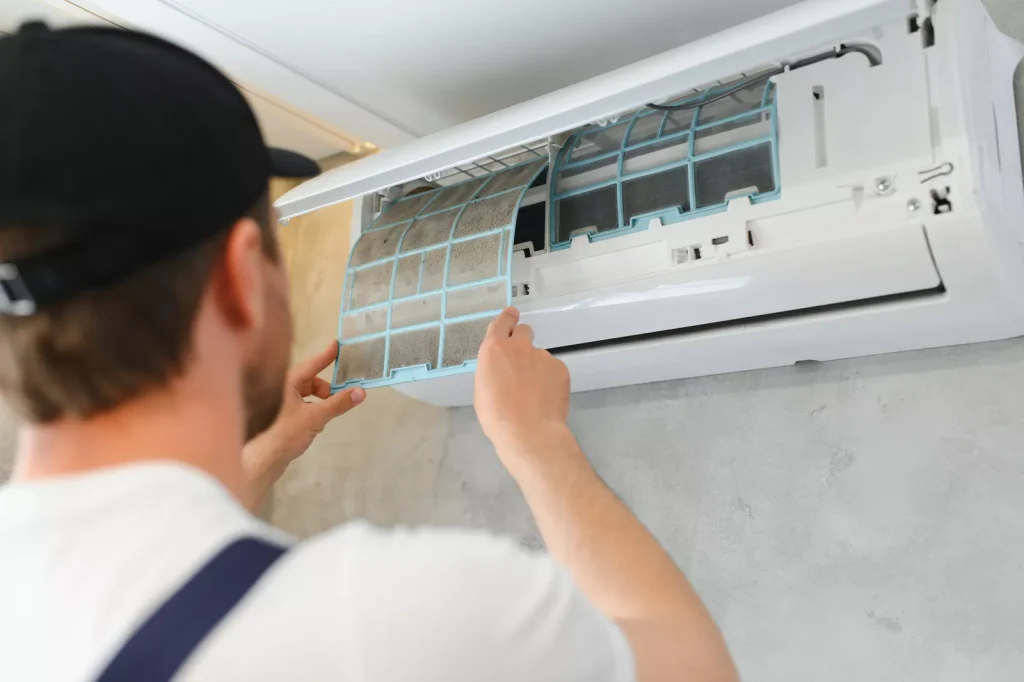
A clogged filter is one of the most common home AC problems because it slowly chokes off airflow. Less airflow means less cooled air reaching your rooms—and in many cases, it can also contribute to coil freezing. Regularly replacing or cleaning air filters is essential to prevent clogging, maintain efficient airflow, and ensure your air conditioning system operates effectively.
Common warning signs:
- Weak airflow from vents, even when the system is running
- Warm air blowing from vents can also result from a clogged air filter causing the system to overheat.
- Rooms cool unevenly throughout the house
- The AC seems to run longer than normal to hit the thermostat setting
- Dust buildup around supply vents or increased indoor dust
- Higher-than-usual energy bills
Replacing filters regularly is a simple yet crucial maintenance task to keep your AC unit running smoothly.
2) Frozen Evaporator Coil
Your evaporator coil needs warm air moving across it to absorb heat properly. If airflow is restricted or refrigerant levels are off, the coil can freeze and block cooling almost completely. Blocked vents and a malfunctioning blower fan can also cause the evaporator coil to freeze by restricting airflow. Maintaining proper airflow by keeping vents open and filters clean is essential to prevent coil freezing and ensure efficient AC operation.
Common warning signs:
- Ice or frost on the indoor unit or refrigerant lines
- Warm air blowing from vents or very weak airflow
- Water pooling near the indoor unit when ice melts
- AC runs continuously but indoor temperature won’t drop
- Hissing or bubbling sounds (sometimes linked to refrigerant issues)
If you see visible ice on the coils, turn off the AC to allow it to thaw—this usually indicates an airflow issue or a refrigerant leak.
3) Low Refrigerant or a Refrigerant Leak
Refrigerant isn’t “used up” in normal operation—so low refrigerant typically means an AC refrigerant leak. This is one of the most impactful common AC problems because it prevents the system from removing heat effectively.
Common warning signs:
- Air feels less cold than usual (or turns warm over time)
- Longer run times and poor cooling during peak heat
- Ice on the coil or refrigerant line
- Hissing noise near the unit
- Noticeably higher utility costs without a change in usage
Common signs of refrigerant leaks include hissing sounds and recurring ice buildup. Refrigerant leaks can occur due to aging components or external damage to the system.
4) Dirty Condenser Coil (Outdoor Unit)
The outdoor coil, also known as the condenser unit, is the outdoor component responsible for heat exchange. When it’s coated with dirt, grass clippings, pollen, or lint, your AC can’t “dump” heat outside efficiently—causing warm air and poor performance.
Cleaning the outdoor unit and maintaining clearance around it is essential for proper heat exchange.
Common warning signs:
- The AC struggles most during hot afternoons
- Warm air or only mildly cool air from vents
- Outdoor unit feels excessively hot or runs constantly
- Tripped breaker or system shutting down on high heat
- Rising energy bills as the system works harder
Keeping the condenser unit clean is key to maintaining optimal performance of your AC system.
5) Electrical or Capacitor Issues
Capacitors and electrical components help your system start and run properly. When they fail, you may get a system that runs inconsistently—or a fan/compressor that won’t start at all. A blown fuse, circuit breaker, or tripped circuit breaker can also prevent your AC from turning on. If you notice buzzing noises or experience repeated breaker trips, check the electrical connection and consult a professional to ensure safety and proper functioning.
Common warning signs:
- AC won’t turn on, or it turns on and shuts off quickly
- Clicking or buzzing from the outdoor unit
- Outdoor fan doesn’t spin, or struggles to start
- Burning smell or scorched wiring near equipment
- Frequent breaker trips
Electrical failures in AC systems commonly stem from failing capacitors.
6) Faulty Thermostat or Thermostat Placement Problems
A malfunctioning thermostat is a common cause of AC issues, as it may not read the home correctly or control the system properly. This can mimic common problems with home AC units like warm air and short cycling. Ensuring correct thermostat settings and placing the thermostat away from direct sunlight is important for accurate temperature readings and efficient operation.
Common warning signs:
- AC short cycles (turns on/off too often)
- Temperature doesn’t match the thermostat setting
- Certain rooms are uncomfortable even when the thermostat says it’s cool
- Thermostat display is blank, flickering, or unresponsive
- AC runs when it shouldn’t—or won’t run when it should
Frequent short cycling of an AC system can be caused by thermostat issues or a failing capacitor.
7) Duct Leaks, Disconnected Ducts, or Poor Duct Design
Duct issues are a top cause of weak airflow. If conditioned air leaks into attics, crawl spaces, or walls, your system can run all day and still feel underpowered.
Common warning signs:
- Weak airflow in one room or one entire section of the home
- Hot/cold spots and uneven cooling
- Dusty indoor air (especially after the AC runs)
- Whistling sounds from registers or ducts
- Higher bills with no improvement in comfort
8) Blower Motor or Fan Problems
The blower fan pushes cooled air through your ductwork. If the blower fan is failing, dirty, or damaged, airflow drops and comfort suffers—often showing up as warm rooms and poor circulation.
Common warning signs:
- Little to no air coming from vents
- Rattling, grinding, or squealing noises from the indoor unit
- System runs but doesn’t distribute cool air effectively
- Overheating shutdowns or intermittent operation
- Increased humidity and “stale” indoor air
Common noises from AC units include grinding, squealing, and clattering, indicating potential motor or bearing issues.
9) Clogged Condensate Drain Line or Drain Pan Issues
Your AC removes moisture as it cools, and the AC drain line is responsible for carrying this moisture away from the unit. If the drain line is clogged, water can back up, trigger shutoff switches, and contribute to humidity problems that make the home feel warmer. Cleaning the drain line regularly can prevent water leaks from the AC unit.
Common warning signs:
- Water around the indoor unit or visible drip marks
- Musty odors near vents or indoor equipment
- AC stops unexpectedly (safety switch trips)
- Higher indoor humidity even when the AC is running
- Water stains on ceilings or walls near equipment
A clogged drain line can cause water leaks around the indoor unit, mold growth, or an AC shutdown. If your AC is leaking water, it could be due to a clogged drain line or a damaged drain pan. Mold growth can also result from water accumulation due to drainage issues.
10) Oversized, Undersized, or Aging AC System
Sizing and age matter. An oversized system may cool too quickly and shut off before dehumidifying. An undersized or aging system may never keep up—especially during Northern VA heat and humidity.
Common warning signs:
- AC runs nonstop during hot days and still can’t maintain temperature
- Short cycling (especially with oversized units)
- Indoor humidity remains high and the air feels clammy
- Frequent repairs or recurring breakdowns
- System is 10–15+ years old with declining performance
Why These Common AC Problems Create Warm Air, Weak Airflow, and Poor Cooling
Most common home AC problems fall into a few categories:
- Airflow restrictions (filters, blowers, ducts, frozen coils)
- Heat transfer failures (dirty coils, low refrigerant, AC refrigerant leak)
- Control and electrical issues (thermostats, capacitors, wiring)
- Moisture management problems (drain clogs, high humidity, improper sizing)
A common sign of underlying issues is the AC running constantly, which can be caused by poor maintenance, thermostat problems, dirty coils, or an AC refrigerant leak. Poor maintenance can lead to costly repairs and reduced efficiency. Regular inspections can catch potential problems early before they escalate.
When one part of the system can’t do its job, comfort drops fast—often showing up as warm vents, weak airflow, uneven cooling, and sticky humidity.
A well-maintained AC system can lead to lower energy bills due to improved efficiency. Investing in a high-quality system with a good SEER rating will lessen the chances of frequent issues occurring in your system. Regular inspections and cleaning of the AC system help maintain optimal performance and reduce energy costs.
ACE Air Conditioning & Heating: Residential AC Repair, Maintenance, and Installation Across Northern VA
At ACE Air Conditioning & Heating, we help homeowners resolve common AC problems quickly and correctly—whether the issue is poor airflow, warm air, high indoor humidity, or a system that won’t keep up. For diagnosing and repairing complex AC problems, an experienced HVAC technician is essential to ensure safe and effective solutions. Our team provides dependable residential AC repair, preventive maintenance, and new AC installation services throughout Northern Virginia, with a focus on lasting solutions, transparent recommendations, and comfort you can count on.
Need help fast? We also offer emergency AC services when your system breaks down at the worst possible time. And because comfort isn’t just about temperature, we provide whole-home humidifier services to help balance indoor moisture—especially helpful for improving comfort and protecting your indoor air quality year-round.
Contact ACE for Fast Repairs for Common AC Problems
By understanding the warning signs and addressing issues promptly, you can keep your air conditioning system running efficiently and ensure your home stays cool, even during the hottest days. Don’t let common air conditioning problems disrupt your comfort—schedule regular maintenance, replace filters as needed, and reach out to a trusted HVAC professional if you notice any unusual noises, weak airflow, or other signs of trouble.
If you’re dealing with weak airflow, warm air, uneven cooling, or any of these common problems with home AC units, don’t wait for the issue to get worse. ACE Air Conditioning & Heating is ready to diagnose the problem, explain your options clearly, and restore reliable comfort.Contact ACE Air Conditioning & Heating today to schedule AC service or request an estimate anywhere in Northern VA—especially if you suspect one of these common AC problems is affecting your home’s cooling.
FAQs
This is usually caused by common AC problems like a dirty air filter, low refrigerant, frozen evaporator coil, or a dirty outdoor condenser coil. Another common symptom is the AC running constantly without cooling, which can lead to higher energy bills and increased system wear. This may be due to thermostat problems, dirty coils, or refrigerant leaks. If your AC is not turning on at all, it could be due to a tripped circuit breaker or issues with the thermostat. A technician can quickly pinpoint whether the issue is airflow-related, a heat-transfer problem, or an electrical/control failure.
Warm air can happen if the thermostat is set incorrectly, the outdoor unit isn’t running, refrigerant is low, there is leaking refrigerant, or the compressor isn’t operating properly. Leaking refrigerant can impair cooling performance and is a common problem that usually requires diagnosis and repair by a professional technician. These are common problems with home AC units that often need professional diagnosis to avoid worsening the damage.
Weak airflow is often linked to a clogged filter, blocked vents, frozen coil, blower motor issues, or leaky/disconnected ductwork. Because multiple common home AC problems share this symptom, it’s best to check the filter and ensure all vents are open and unobstructed first, then schedule service if airflow doesn’t improve.
Short cycling can be caused by thermostat issues, including incorrect thermostat settings, as well as an oversized system, dirty coils, or electrical problems. Because it increases wear and reduces efficiency, it’s one of the common problems with home AC units that should be addressed quickly.
Routine tune-ups typically include checking refrigerant performance, cleaning coils, inspecting electrical components, clearing drains, and verifying proper airflow. Regularly replacing or cleaning air filters is also essential to prevent clogging and maintain efficient airflow. Preventive maintenance reduces breakdown risk and keeps cooling strong during peak summer heat.


