Everything You Need to Know About AC Refrigerant Change 2025: New Regulations and Updates
A Comprehensive Guide to the AC Refrigerant Changes in 2025
The HVAC industry is set to experience a significant shift with the AC refrigerant change in 2025. These changes are part of a broader initiative to phase out environmentally harmful refrigerants and introduce more energy-efficient and eco-friendly alternatives. Homeowners and business owners must stay informed about these updates, as they impact everything from AC repairs to new installations.
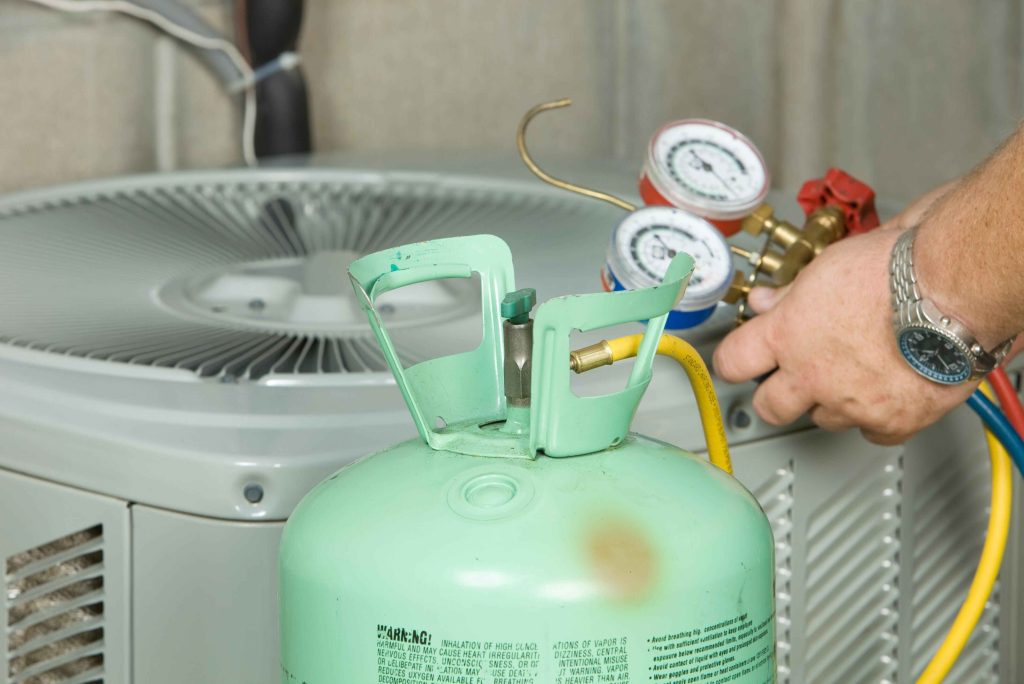
The main reason behind the AC refrigerant changes in 2025 is the Environmental Protection Agency’s (EPA) continued efforts to reduce hydrofluorocarbon (HFC) emissions. HFCs, commonly used in home AC refrigerant systems, have been identified as a major contributor to climate change. To align with global environmental goals, newer refrigerants with lower global warming potential (GWP) are being introduced.
What Homeowners Need to Know About the New AC Refrigerants
As of 2025, R-410A, a widely used home AC refrigerant, will no longer be the standard for new air conditioning systems. Instead, newer refrigerants such as R-32 and R-454B, which have a significantly lower GWP, will be phased in. These new refrigerants are designed to be more environmentally friendly while maintaining or even improving cooling performance.
Key Points to Consider:
- R-410A will be phased out in favor of lower-GWP alternatives.
- New AC systems will be designed to operate with updated refrigerants.
- Older systems using R-410A can still be serviced, but the cost of refrigerant may increase over time.
- Homeowners should consider upgrading their AC units to more efficient models.
Federal Tax Credits and Incentives for Energy Efficiency
The federal government is encouraging homeowners to transition to more energy-efficient HVAC systems by offering tax credits through the Inflation Reduction Act of 2022. These credits allow homeowners to receive financial incentives when upgrading to systems that comply with the new AC refrigerant changes in 2025.
Available Tax Credits:
- Up to $2,000 for upgrading to a high-efficiency heat pump.
- Up to $1,200 for installing qualifying energy-efficient air conditioners, insulation, and other home improvements.
- 30% of costs covered for geothermal heat pumps, solar energy systems, and battery storage technology.
How to Claim the Tax Credit:
- Ensure the new AC unit or heat pump meets the updated efficiency standards.
- Obtain the manufacturer’s Qualified Manufacturer (QM) code.
- File IRS Form 5695 when submitting federal income taxes.
How the AC Refrigerant Change 2025 Affects Homeowners
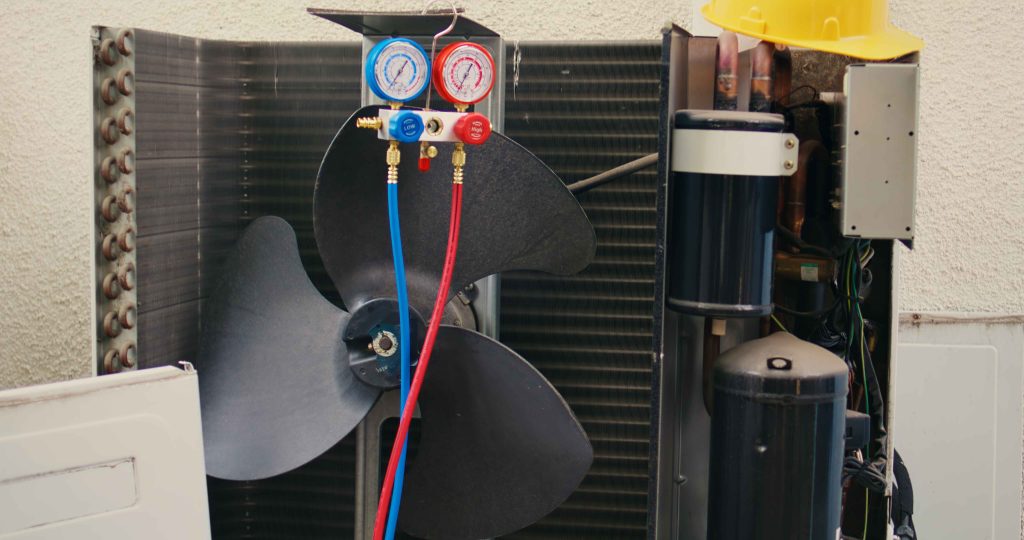
The transition to new refrigerants is not just a regulatory change; it has direct implications for homeowners who rely on air conditioning systems to maintain indoor comfort. Here’s how the new regulations will impact households:
- Increased Costs for Older Refrigerants: As R-410A is phased out, its supply will diminish, leading to higher prices for servicing older AC units.
- More Energy-Efficient AC Units: Newer air conditioning models designed for the updated refrigerants will operate more efficiently, potentially lowering energy bills.
- Home Value and Marketability: Homes with outdated AC systems may see lower resale value compared to those with updated, energy-efficient models.
- Potential Requirement for System Replacement: While existing units can still be used, homeowners may need to replace their systems in the coming years to align with the new refrigerant standards.
Should You Upgrade Your AC System in 2025?
If your air conditioning system is nearing the end of its lifespan, upgrading to a newer model compatible with the latest refrigerants is a smart choice. Not only will you avoid rising maintenance costs associated with older refrigerants, but you’ll also benefit from improved energy efficiency and potential tax incentives.
Signs You Should Upgrade:
- Your AC unit is over 10 years old.
- You frequently need repairs due to refrigerant leaks.
- Your energy bills have been increasing.
- You want to take advantage of federal tax credits before they expire.
About ACE Air Conditioning & Heating
At ACE Air Conditioning & Heating, we specialize in providing top-quality residential HVAC services throughout Northern VA. Our team is highly experienced in helping homeowners transition to the new AC refrigerant standards and upgrading to energy-efficient systems. We offer expert AC installation, maintenance, and repair services to ensure your home remains comfortable year-round. Whether you need an AC refrigerant service or a complete system upgrade, our team is ready to assist you with professional and reliable solutions.
Contact Us Today for Your AC Refrigerant Needs
As the AC refrigerant change in 2025 approaches, it’s crucial to stay ahead of the curve. At ACE Air Conditioning & Heating, we are committed to helping homeowners in Northern VA navigate these changes with ease. If you need assistance upgrading your air conditioning system or have questions about how the new regulations affect you, contact us today.
Schedule an AC refrigerant service with our expert team or learn more about how we can improve your indoor air quality. Call us now to ensure your home stays cool and energy-efficient for years to come!
FAQs
Why is the AC refrigerant changing in 2025?
The AC refrigerant change in 2025 is part of a global effort to reduce the use of hydrofluorocarbons (HFCs), which contribute to climate change. New refrigerants like R-32 and R-454B have a lower global warming potential (GWP) and are more environmentally friendly while maintaining high cooling efficiency.
What new refrigerants are being introduced?
The primary replacements for R-410A include R-32 and R-454B, both of which have a lower environmental impact and improved energy efficiency. These refrigerants will be used in newly manufactured air conditioning systems starting in 2025.
Will I need to replace my current AC system?
Not necessarily. If your current system uses R-410A, it can still be serviced, but refrigerant costs may increase as supply decreases. However, if your AC unit is older, upgrading to a new system designed for updated refrigerants can improve efficiency and help you qualify for federal tax credits.
What steps should I take if I want to upgrade my AC system?
First, consult a professional HVAC company like ACE Air Conditioning & Heating to assess your needs. Choose an energy-efficient system compatible with the new AC refrigerant and take advantage of available tax credits to maximize your savings.


